Source Kobelco Revolution Speed Sensor for Excavators
Find the kobelco revolution speed sensor for heavy machinery maintenance. Compare 30 listings featuring SK135-6 and SK200-6 models with CE certification. These sensors offer high precision and easy installation for reliable performance in demanding industrial applications; compare the available evidence and request quotations based on your requirements.
Key considerations
Products List


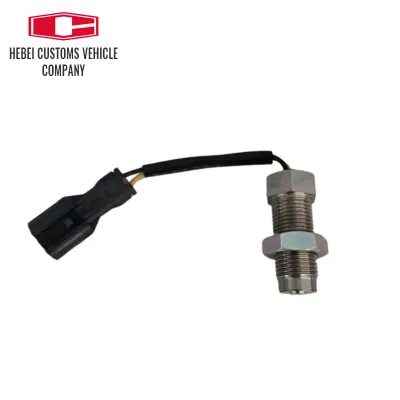
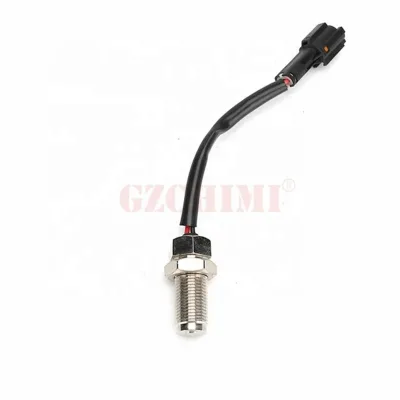


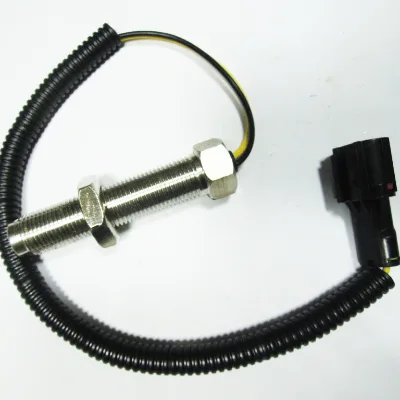
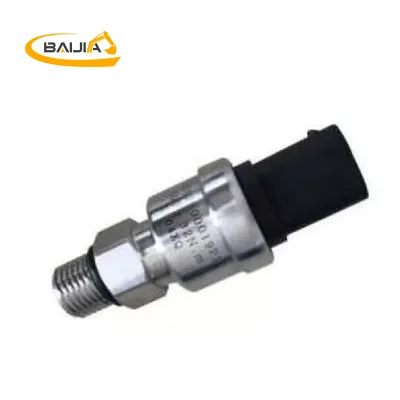
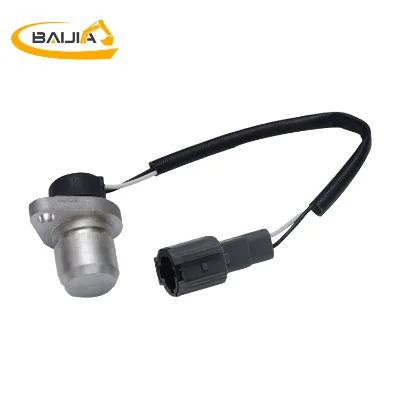
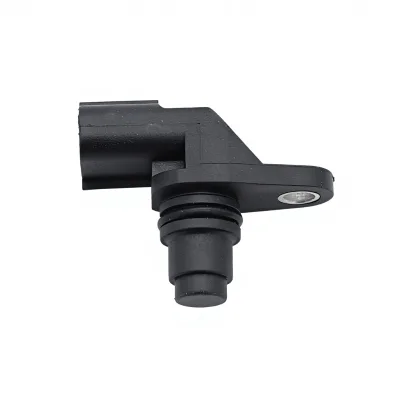


Comprehensive Sourcing Guide
Kobelco Revolution Speed Sensor Sourcing Guide
Sourcing replacement components for heavy machinery requires precision, particularly when dealing with critical sensors that monitor operational parameters. The Kobelco revolution speed sensor is a specialized component designed to track rotational velocity, ensuring that excavators and related equipment operate within safe and efficient boundaries. Buyers must understand that these sensors are not generic parts; they are engineered to interface specifically with the electronic control systems of Kobelco machinery. This specificity means that verifying compatibility before purchase is the most critical step in the procurement process. A mismatch in sensor type or signal output can lead to inaccurate readings, potentially causing machinery to enter limp mode or suffer from performance degradation.
The market for these sensors is fragmented, with listings often containing mixed attributes that can confuse buyers. Some suppliers may list the item under broader categories such as general bearings or pressure transmitters, which indicates a lack of specialized inventory management. It is essential for procurement teams to look beyond the generic product title and examine the detailed specifications provided. The presence of specific model numbers, such as SK135-6 or SK200-6, serves as a primary indicator of authenticity and fit. Buyers should treat these model references as the definitive guide for selection, rather than relying on vague descriptions that might apply to multiple machine types.
Product Scope and Observed Listing Signals
Current market listings for Kobelco revolution speed sensors reveal a wide variance in how products are categorized and described. Observations indicate that some suppliers list these items under the category of sensors, while others may incorrectly classify them as bearings or pressure transmitters. This inconsistency suggests that many sellers are generalists rather than specialists in heavy equipment components. Buyers should be cautious of listings that lack clear technical details or that mix unrelated product attributes, such as strain gauge pressure transmitters, with speed sensor descriptions. The presence of multiple model numbers in a single listing, such as Sk130-8 and Sk140-8, often indicates a consolidated inventory page rather than a specific product page, requiring careful verification of the exact part needed.
Another significant signal in the current market is the emphasis on customization and stock availability. Many suppliers advertise that customization is available, which can be a double-edged sword for buyers seeking exact replacements. While custom manufacturing might offer flexibility, it often introduces longer lead times and higher costs, which are undesirable for urgent maintenance needs. Conversely, listings that explicitly state "in stock" and offer immediate delivery times, such as three days, are preferable for minimizing machine downtime. Buyers should prioritize suppliers who maintain ready inventory of standard parts, as this reduces the risk of production delays. The availability of neutral packing or standard carton packaging also suggests a focus on efficient logistics, which is a positive indicator for bulk procurement.
Technical Specifications to Verify
When evaluating technical specifications, the model number is the most critical identifier for ensuring compatibility with Kobelco machinery. Listings frequently reference specific models such as SK135-6, SK200-6, and YN52S00016P3, which correspond to distinct machine variants. Buyers must cross-reference these model numbers with their equipment’s service manual to confirm a direct match. Additionally, the part number, such as 196-7973 or 125-2966, provides a secondary layer of verification. These alphanumeric codes are unique to the sensor’s design and electrical characteristics, making them indispensable for accurate sourcing. Ignoring these specific identifiers can result in the procurement of sensors that are physically incompatible or electrically mismatched with the machine’s control unit.
Beyond model numbers, buyers should verify the sensor’s electrical and physical characteristics. The wiring type, such as four-wire configuration, and the component type, such as semi-conductor or mechanical structure, must align with the machine’s existing harness and mounting points. The IP rating, often cited as IP for stainless steel construction, indicates the sensor’s resistance to environmental factors like dust and water, which is crucial for excavators operating in harsh conditions. Furthermore, the output signal type, whether analog or digital, must be compatible with the machine’s ECU. Buyers should request detailed datasheets that confirm these technical parameters, as relying solely on product titles can lead to significant integration issues during installation.
Compliance and Safety Documentation
Compliance with international standards is a fundamental requirement for industrial components, and the CE certification is a common marker of adherence to European health, safety, and environmental protection standards. Buyers should verify that the supplied sensors carry valid CE certification, which indicates that the manufacturer has conducted necessary assessments to ensure the product meets regulatory requirements. This certification is particularly important for companies operating in regions where such compliance is mandatory for machinery operation. However, buyers should also be aware that certification status can vary between suppliers, and it is essential to request proof of certification rather than taking claims at face value.
In addition to certification, documentation regarding the product’s origin and manufacturing process is vital for quality assurance. The origin of the product, often listed as China, provides context for the supply chain but does not guarantee quality on its own. Buyers should inquire about the production process, such as integration or normal wirewound techniques, to understand the manufacturing quality. Furthermore, the condition of the product, typically listed as new, should be confirmed to ensure that no refurbished or used parts are being sold as new. Clear documentation of these aspects helps buyers maintain transparency in their supply chain and ensures that they are receiving genuine, high-quality components that meet safety and performance expectations.
Cost Drivers and Commercial Terms
The cost of Kobelco revolution speed sensors is influenced by several factors, including the complexity of the sensor, the materials used, and the level of customization required. Sensors with advanced features, such as high precision measurement or specific IP ratings, tend to be more expensive due to the additional engineering and manufacturing steps involved. Customization, while available, often incurs additional costs and longer lead times, which can impact the overall budget and project timeline. Buyers should carefully evaluate whether customization is necessary or if standard off-the-shelf parts will suffice, as this decision can significantly affect the total cost of ownership.
Commercial terms, including payment methods and minimum order quantities (MOQ), also play a crucial role in the procurement process. Suppliers typically offer flexible payment options such as T/T, Western Union, or PayPal, which can facilitate transactions for buyers of different sizes. However, buyers should be aware of the MOQ, which can range from single units to larger batches, depending on the supplier’s inventory and business model. Understanding these terms helps buyers plan their cash flow and inventory management effectively. Additionally, the packing method, whether neutral, carton, or P/P bag, can affect shipping costs and handling requirements, so buyers should consider these logistical factors when negotiating final prices.
Supplier Qualification and Quality Control
Qualifying suppliers for Kobelco revolution speed sensors requires a thorough assessment of their reliability and quality control processes. Buyers should prioritize suppliers who demonstrate a clear understanding of the specific requirements for heavy equipment sensors, as evidenced by their detailed product descriptions and accurate model references. Suppliers who provide comprehensive technical documentation and are willing to answer specific questions about compatibility and performance are more likely to deliver high-quality products. It is also important to verify the supplier’s track record in the industry, looking for evidence of consistent delivery and customer satisfaction.
Quality control measures should be a key criterion in supplier selection. Buyers should inquire about the supplier’s inspection processes, including how they verify the condition and functionality of the sensors before shipment. Suppliers who offer warranties or guarantees on their products demonstrate confidence in their quality and provide an additional layer of protection for the buyer. Furthermore, buyers should consider the supplier’s ability to handle returns or exchanges in case of defects, as this indicates a commitment to customer service. Establishing a strong relationship with a qualified supplier can lead to better pricing, priority support, and improved supply chain resilience over time.
Long-Term Procurement Checks
Long-term procurement of Kobelco revolution speed sensors requires ongoing monitoring of supplier performance and market trends. Buyers should regularly review their supplier’s delivery times, product quality, and responsiveness to ensure that they continue to meet operational needs. Changes in the market, such as shifts in material costs or regulatory requirements, can impact the availability and price of sensors, so buyers must stay informed about these developments. Establishing a routine for periodic supplier audits and performance reviews helps maintain high standards and identifies potential issues before they become critical.
Additionally, buyers should consider the lifecycle of the sensors and plan for future replacements. Understanding the expected lifespan of the components and the frequency of maintenance can help in forecasting demand and budgeting for future purchases. Buyers should also explore opportunities for bulk purchasing or long-term contracts to secure better pricing and ensure consistent supply. By maintaining a proactive approach to procurement, buyers can minimize downtime, reduce costs, and ensure the reliable operation of their Kobelco machinery over the long term. This strategic perspective transforms sensor procurement from a reactive task into a value-adding component of overall equipment management.
FAQs
What is the product type for this Kobelco sensor?
The product type is a speed sensor designed specifically for excavators. It features high precision measurement capabilities and low energy consumption. The unit is new and comes in stock for immediate delivery to buyers.
Can I get this sensor with CE certification?
Yes, this product carries CE certification as a verified attribute. It is suitable for industrial applications requiring standard compliance. Buyers can rely on this certification for safety and regulatory adherence in their operations.
How is the sensor customized for specific needs?
Customization is available for this speed sensor to meet specific requirements. The product supports various configurations including different models like SK135-6. Buyers should contact suppliers to confirm exact customization options for their machinery.
What is the lead time for delivery?
The delivery time for this item is three days from order confirmation. This fast turnaround ensures minimal downtime for your equipment. Stock is currently available to support immediate shipping needs for urgent orders.
Which payment methods are accepted for this order?
Accepted payment methods include T/T, Western Union, and PayPal. These options provide flexibility for international and domestic transactions. Buyers can select the most secure method for their specific business requirements during checkout.
What is the origin of this Kobelco sensor?
The product originates from China as stated in the specifications. It is manufactured using standard processes and materials like aluminum or stainless steel. This origin ensures competitive pricing while maintaining quality standards for global export.
How is the sensor packaged for shipping?
Packaging options include neutral packing, cartons, or P/P bags with cartons. The standard dimensions are 43 by 21 by 27 cm for carton packaging. This ensures safe transport and protection of the sensor during international shipping.